
On the Trail of 214 Squadron: A Day Among the Ghosts of 100 Group
On Saturday, August 8, I woke up at 6 a.m. and left the house by 7:30 a.m. I drove 128 miles from Kings Langley in Hertfordshire to Norfolk to visit three sites related to No. 214 (FMS) Squadron and No. 100 (Bomber Support) Group RAF. I am currently researching my third book, and there is no substitute for walking the ground. For the aircrews of Bomber Command, the frontline was the long, tedious, physically and mentally taxing flight to and from a remote, heavily defended target in complete darkness. They never knew when their aircraft might be caught in blindingly intense searchlights (coned), hit by exploding anti-aircraft shrapnel (commonly known as flak), or raked by cannon fire from unseen German night-fighters. For the aircrews of Bomber Command, the stark reality was around a 20 per cent chance of surviving the required 30 operational sorties. For the majority of crews, being shot down meant death. Only a lucky minority found themselves PoWs and fewer still escaped occupied Europe to rejoin their comrades.
City of Norwich Aviation Museum
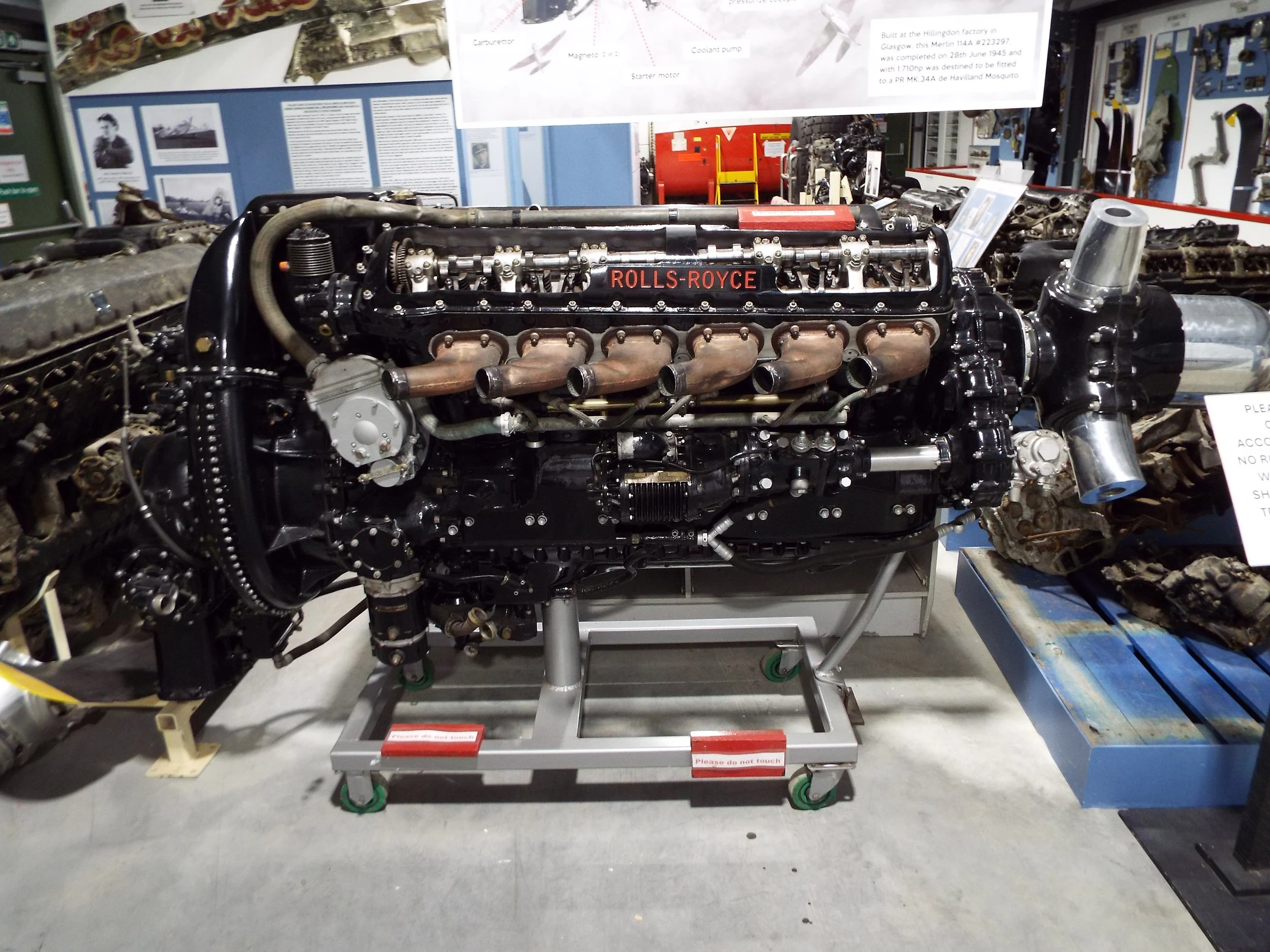
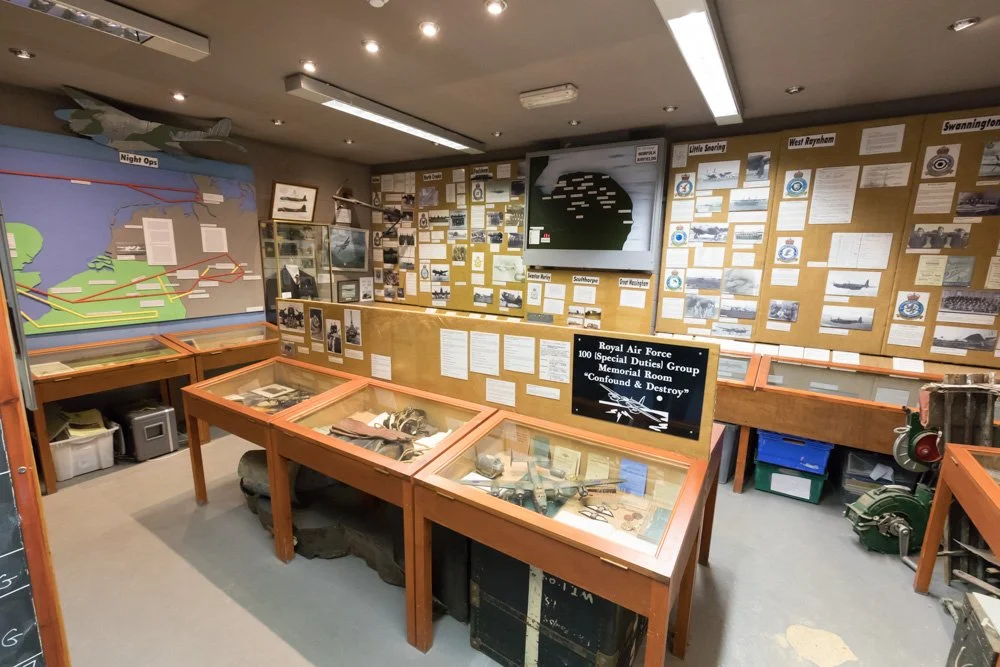
Making good time, my first stop was the City of Norwich Aviation Museum, on the edge of Norwich Airport. This is the official museum of 100 Group, so it holds a large archive of memorabilia, personal accounts and photographs of the group's personnel, aircraft and operations. It is exactly the kind of place a researcher needs.
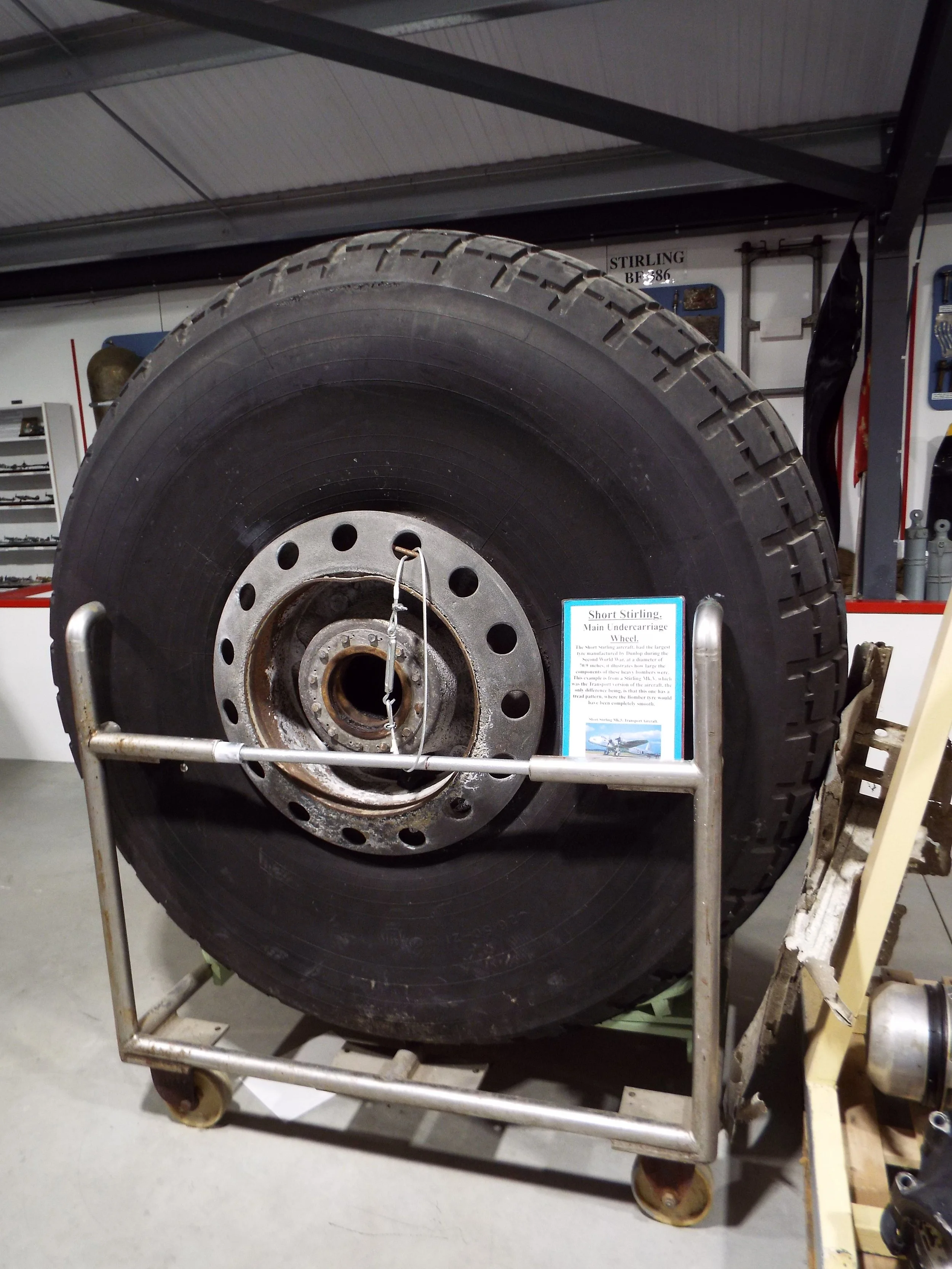
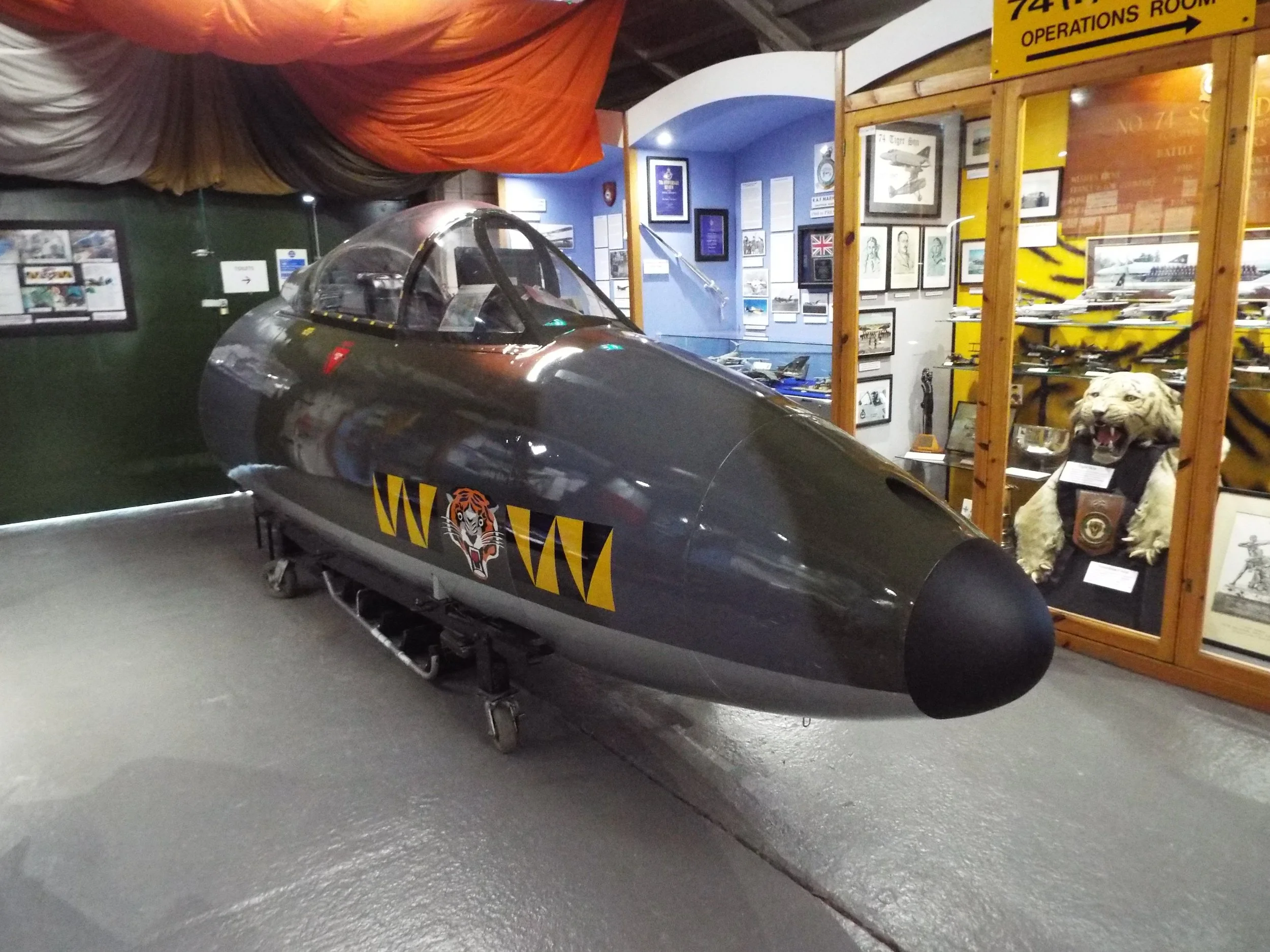
The museum's indoor displays feature a dedicated RAF 100 Group Room located near the entrance, as well as a collection highlighting the United States 8th Air Force. These exhibits are especially valuable for those interested in the electronic countermeasures used during the radio war. However, the museum primarily relies on static displays, images, and text panels to convey information. This approach may not be very engaging for younger visitors, who typically have shorter attention spans.
To capture the interest of younger audiences, museums should adopt interactive and technology-driven strategies. Effective methods include gamified digital tours, bite-sized multimedia content, hands-on immersive exhibits, and social media-friendly spaces that encourage active participation.
Outside, the museum keeps nearly thirty aircraft, including an Avro Vulcan, a Hawker Siddeley Nimrod, an English Electric Lightning and a SEPECAT Jaguar.
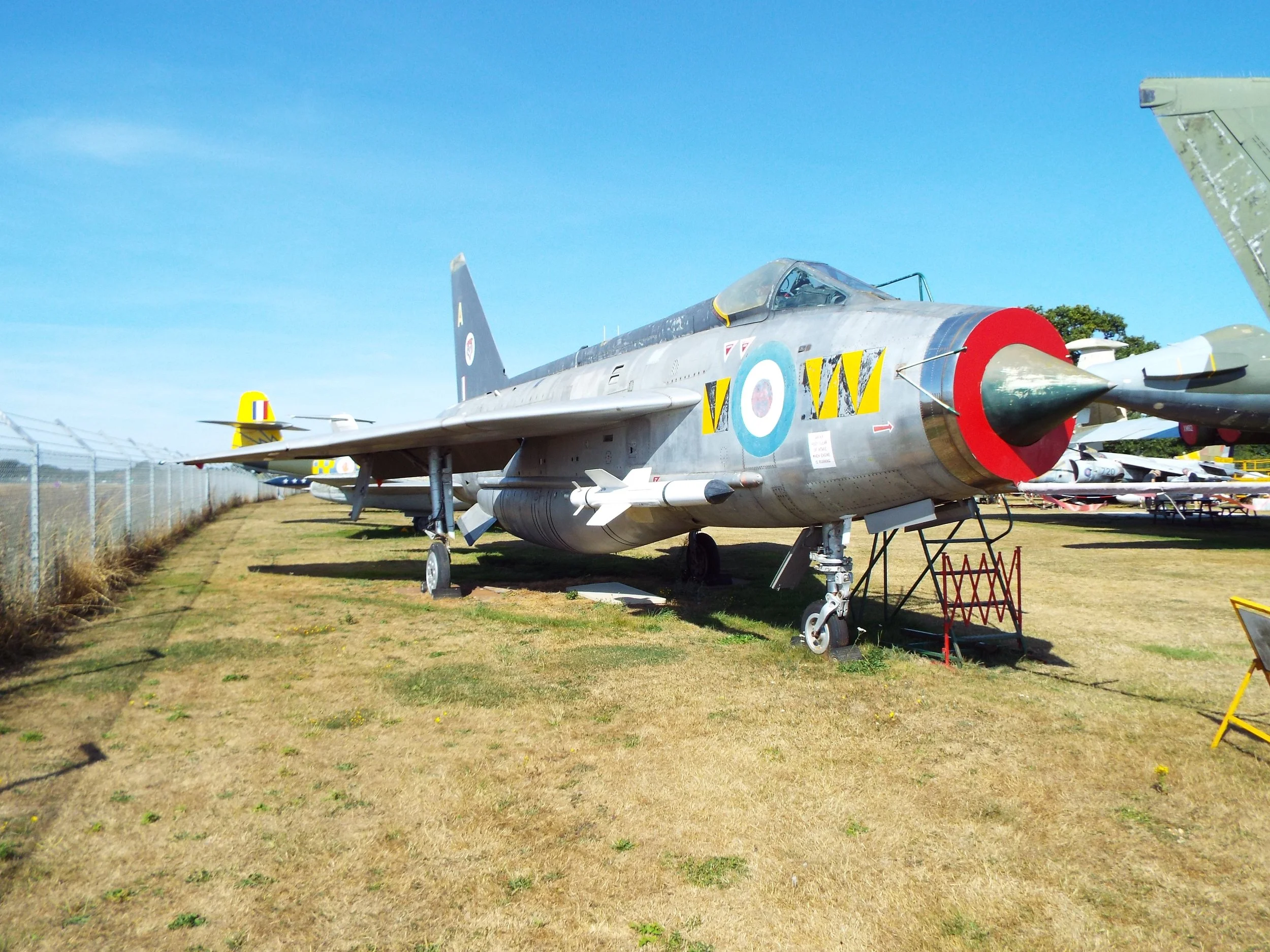
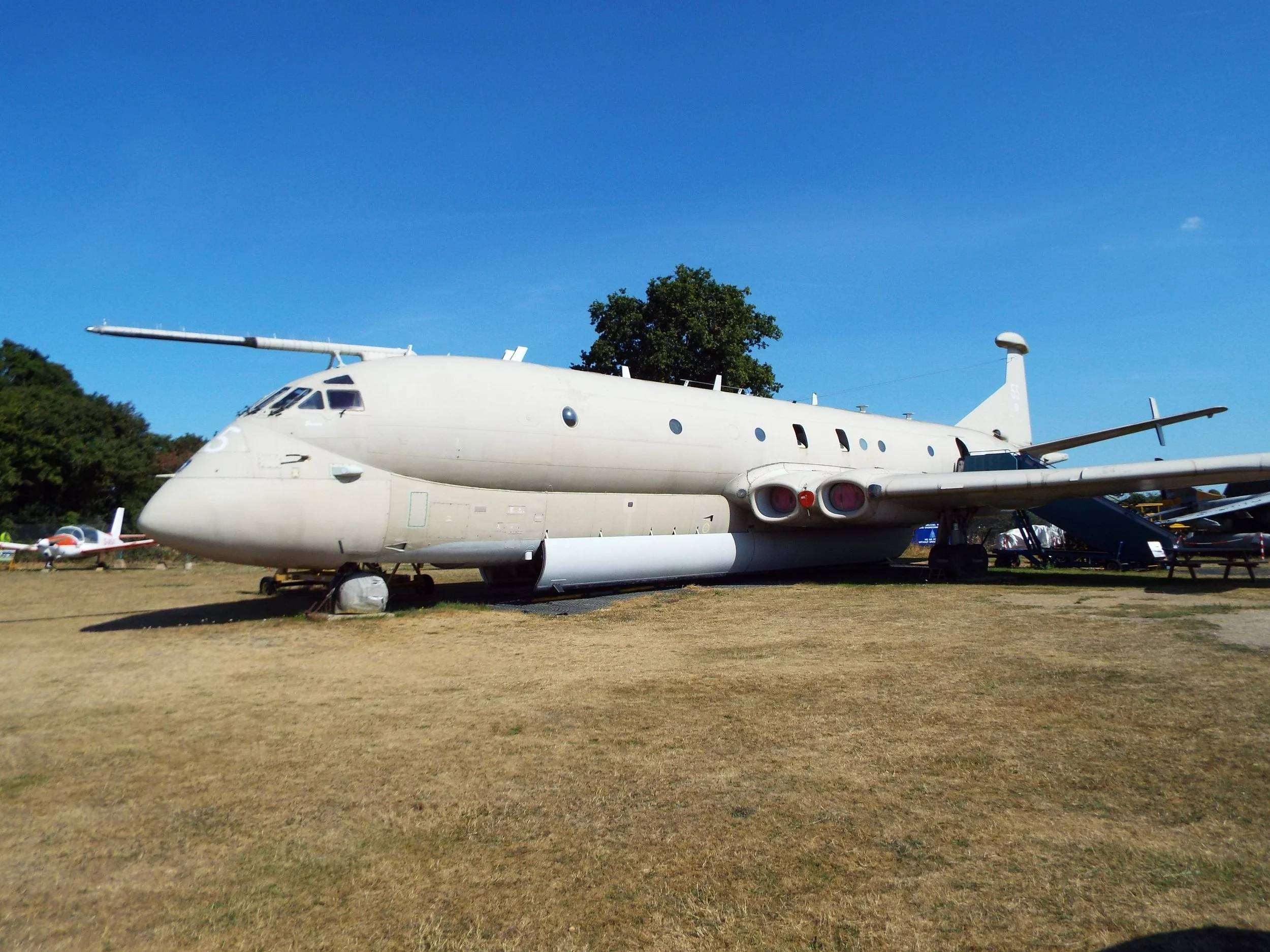
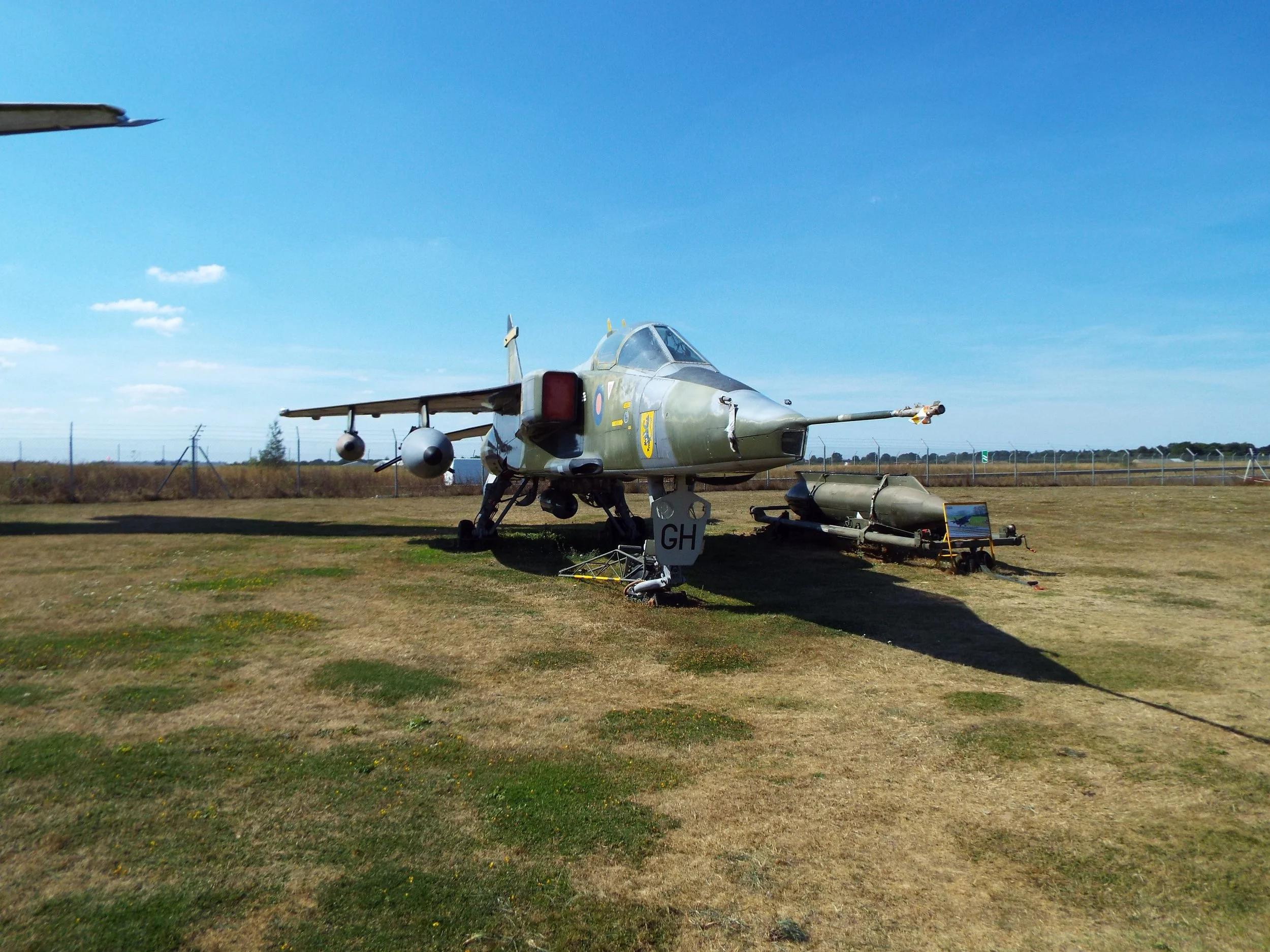
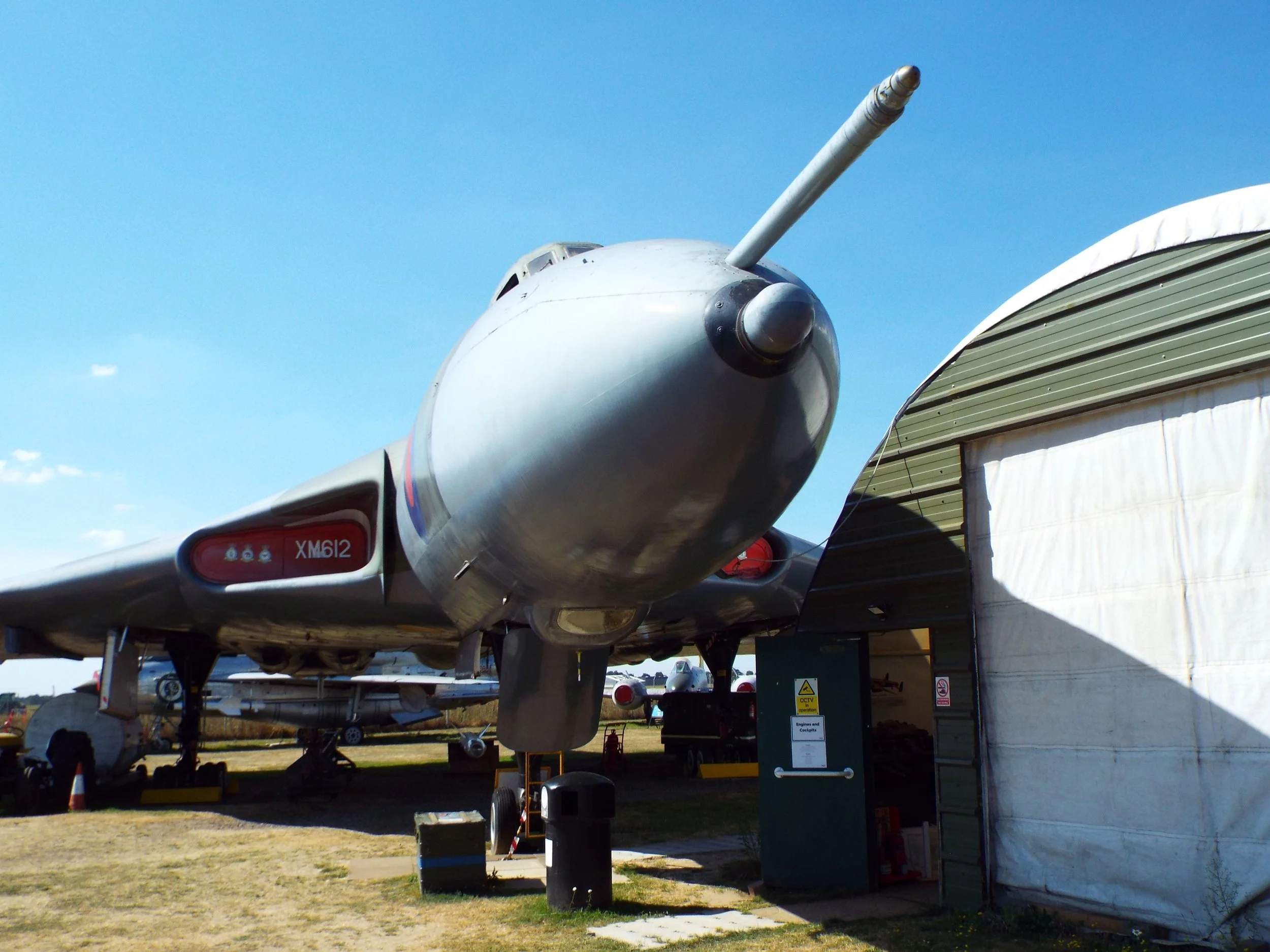
None of these flew with 100 Group, of course. They belong to later chapters of British aviation history. Roy Chadwick, the renowned aircraft designer, links the famous Avro Lancaster heavy bomber of World War Two to the Avro Vulcan of the atomic era. However, he was tragically killed in a crash in 1947, so he never saw the delta-wing V-bomber enter service.
Regrettably, some of the aircraft on display are looking a little weather-beaten. Aircraft left outside face severe weather degradation, including exterior paint fading and peeling from UV radiation, metal corrosion and rust from rain and humidity, rubber seal drying and cracking from temperature extremes, and structural damage from hail, high winds, or accumulated ice and snow.
I don't have any specific information about the museum's finances or resources. However, seeing the aircraft exposed to the blistering sun reminded me of the de Havilland Aircraft Museum in London Colney, which faced a similar challenge. They successfully secured funding for a new hangar through a £1.9 million grant from the National Lottery Heritage Fund.
Although the aircraft are weather-worn, they make for an impressive walk around the airfield perimeter. The guided tours of the Vulcan and Nimrod, run by volunteers, are worth the small extra fee. Unfortunately, I didn’t have time for a tour during this visit, but I plan to return. While my review of the museum may seem a bit nitpicky or overly critical, I want to emphasise that I highly recommend a visit. The museum is filled with fascinating exhibits and is staffed by friendly, knowledgeable, and passionate volunteers.
Blickling Hall and RAF Oulton
From Norwich I drove north to Blickling Hall, a National Trust property a few miles from Aylsham. Blickling is famous first for its Jacobean architecture and its link to Anne Boleyn, who may have been born on the estate. But for anyone interested in the history of 100 Group, its wartime story matters just as much.
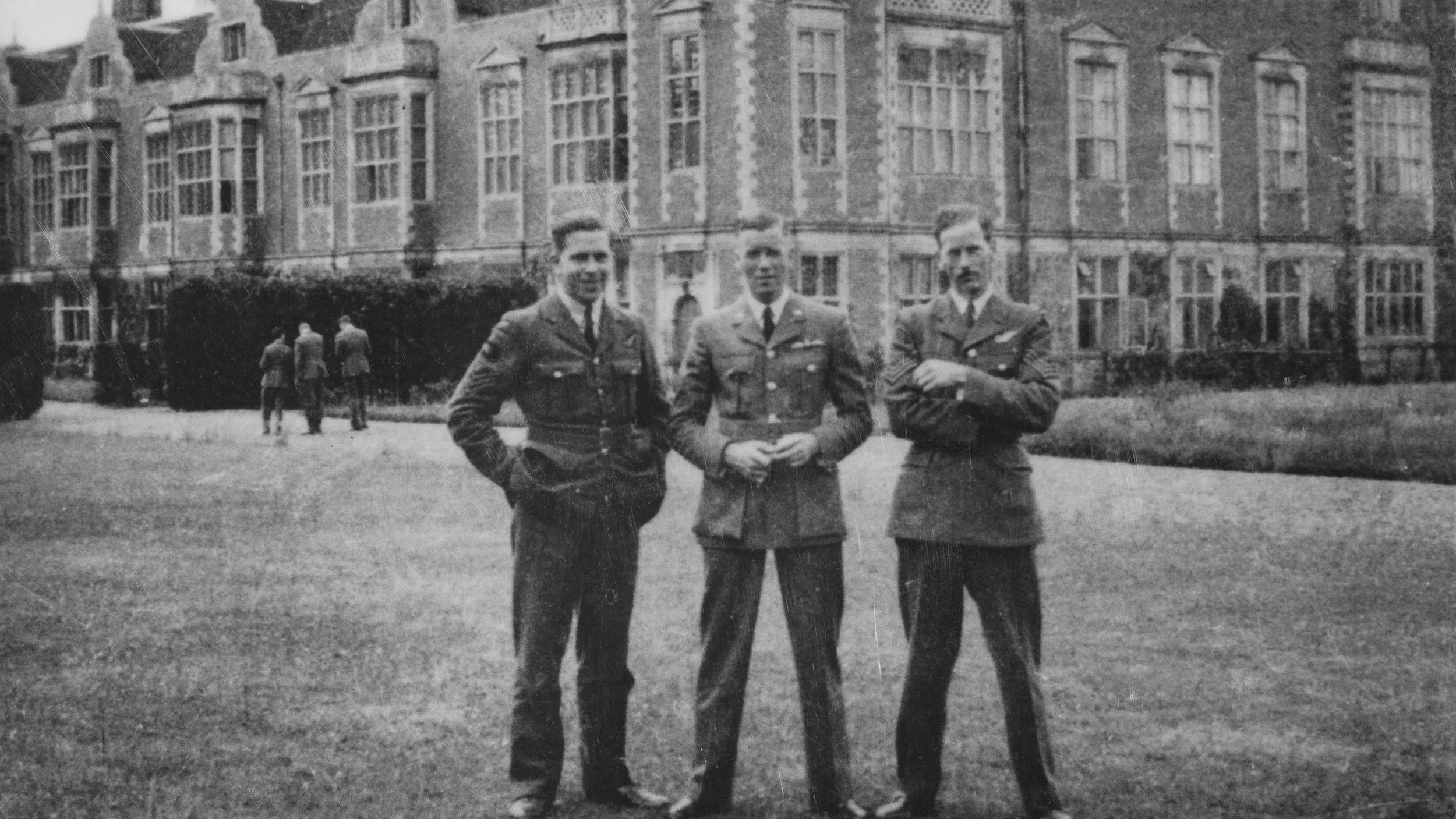
During the Second World War, Blickling Estate became home to RAF Oulton, a bomber airfield built on the grounds. Between 1939 and 1943, squadrons of No. 2 Group flew continental bombing raids from grass runways here. Aircrew were billeted in the Hall itself and in Nissen huts across the grounds. In 1944, the grass gave way to concrete, and the upgraded airfield could then take the heavier aircraft of No. 100 Group. From here, squadrons flew radio countermeasure operations that jammed enemy radar, work that played a vital role in the success of D-Day and raids throughout 1944 and 1945.
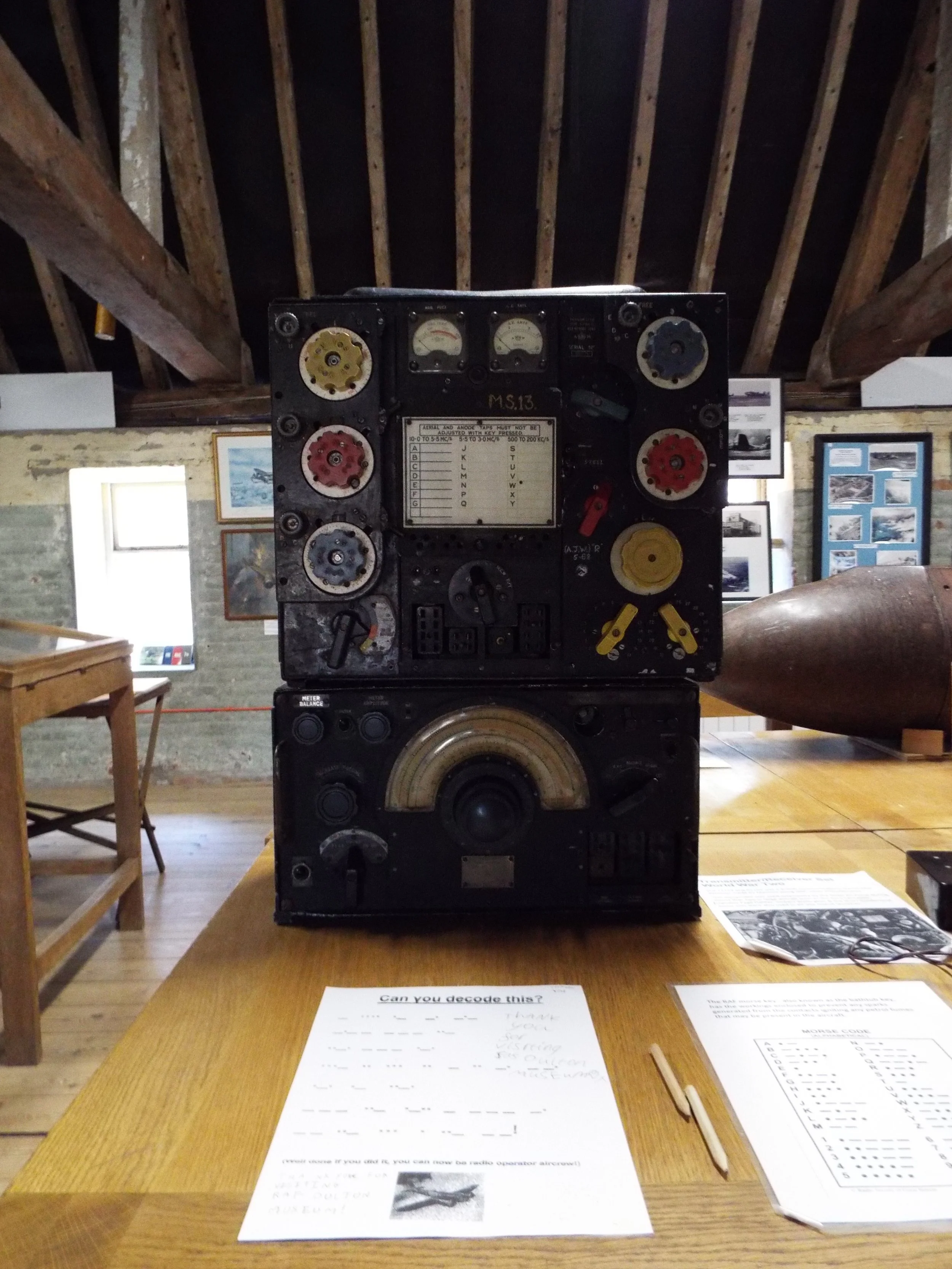
The RAF Oulton Museum
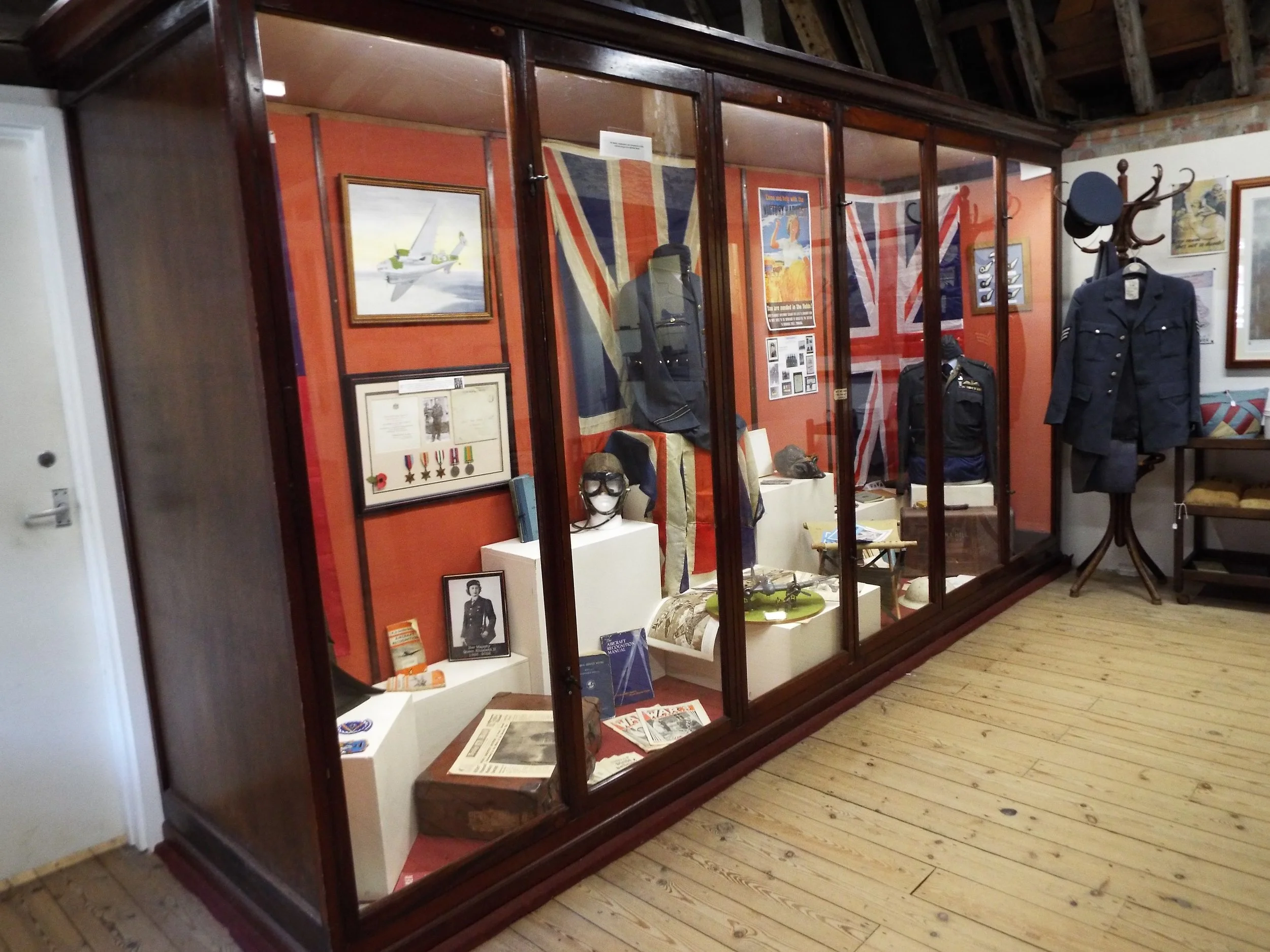
The RAF Oulton Museum is housed in the East Wing of Blickling Hall, once the Officers' Mess. It occupies rooms that provided billets for aircrew during the war, as we know from surviving records, photographs, and graffiti left by the men themselves.
Before entering the museum proper, it’s worth taking the time to watch a short explanatory film about RAF Oulton, its operational role and personnel.
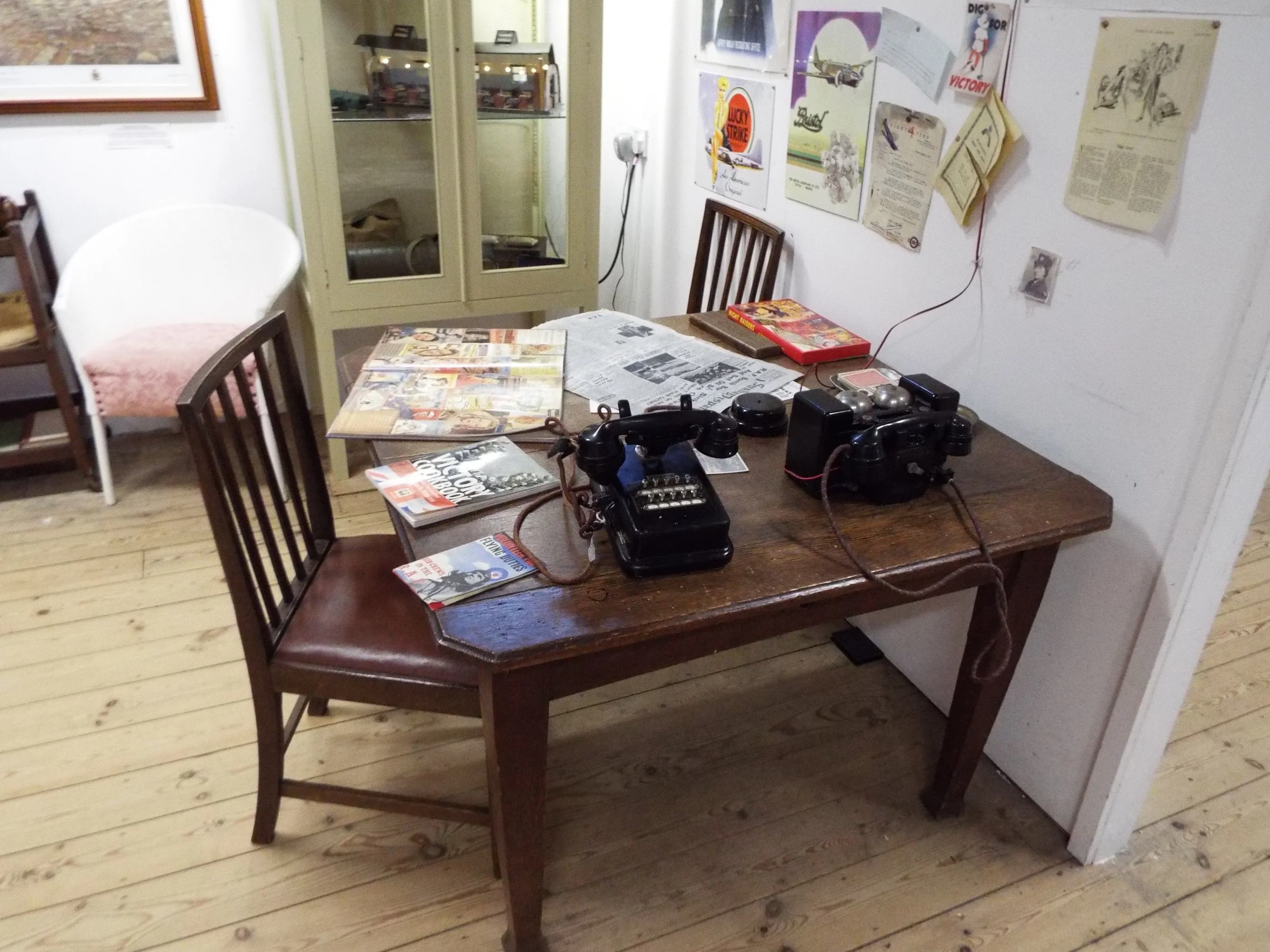
Visitors can explore a mock ‘crew room’. Whilst on operations, crews would spend time before and after each flight in a room designed to lower stress and improve morale. It also became an informal office for men writing letters and doing minor chores.
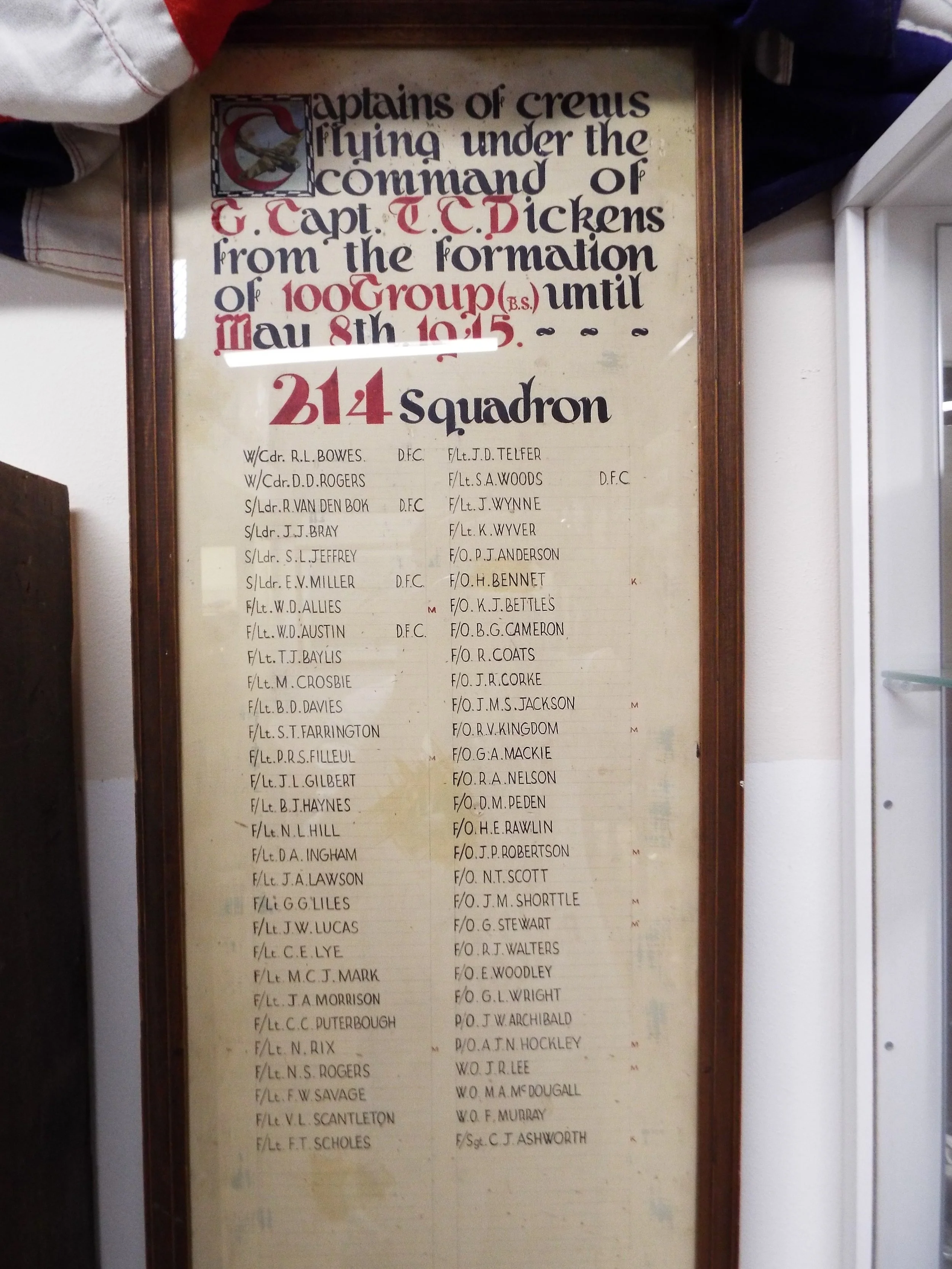
The museum's collection of objects, uniforms, documents and personal stories, donated by families of those who served, adds real depth. Overall, the little museum is a fascinating and informative space that offers insight into both RAF Oulton’s history and everyday life during the Second World War.
Please note that the museum is closed over the winter, so it is advisable to check opening times before you travel.
The Village of Oulton and Its Memorial
A short drive from Blickling Hall is the hamlet of Oulton itself, once the site of the airfield proper. RAF Oulton opened as a satellite landing ground for the main station at Horsham St Faith. After the war it closed for flying in 1946 and was fully decommissioned by 1949. Almost nothing of the airfield survives today. Much of the land returned to farming.
Located at a crossroads on the edge of the village is a memorial to RAF Oulton: a simple granite tablet set on a brick plinth. The memorial carries the RAF crest and motto Per Ardua Ad Astra (Through struggle to the stars), and it names every squadron that served here: 18, 21, 88, 114, 139, 214, 223 and 236 Squadrons, along with 1428 and 1699 Conversion Flights, the 8th United States Army Air Forces and the 803rd Bombardment Squadron. Fifty-six Bomber Command aircraft were lost flying from Oulton across the war, including sixteen B-17s of the type flown by the 214 Squadron. I stood at the memorial for a while, then took a short walk around the quiet village before heading home.
Lest We Forget
On a hot Saturday in August, with the roads busy with day trippers, it’s all too easy to forget that many of the picturesque towns and villages of East Anglia played host to temporary wartime air stations. East Anglia also hosted around 350,000 American soldiers and aircrew in what became known as the ‘friendly invasion’. Bomber Command crews came from over 60 different countries, and it was common for squadrons and crews to be comprised of numerous nationalities.
Approximately 125,000 men served as Bomber Command aircrew, 69.2 per cent of them British, the rest from the Commonwealth and occupied European countries. Of these, 47,305 were killed in action or died while prisoners of war. Fortunately, East Anglia is home to a variety of small independent museums, along with the Imperial War Museum (IWM) Duxford, Cambridge American Cemetery and Memorial, National Trust, and English Heritage sites. Dedicated volunteers work tirelessly to preserve local heritage, engage and educate visitors, and carry out daily acts of remembrance, lest we forget.
Planning Your Own Visit
If you want to follow this route yourself, here is where to start.
The City of Norwich Aviation Museum sits just off the A140 near Norwich Airport, with free parking and a café on site. Full opening times and admission details are at cnam.org.uk.
Blickling Hall and its estate are run by the National Trust, near Aylsham in Norfolk. Details on visiting the Hall, gardens and grounds are at nationaltrust.org.uk/visit/norfolk/blickling-estate. The RAF Oulton Museum, in the East Wing, has its own seasonal opening hours, listed at nationaltrust.org.uk/visit/norfolk/blickling-estate/raf-oulton-museum-at-blickling-estate. Entry to the National Trust estate normally requires membership or a paid ticket.
The village of Oulton lies a short drive from Blickling, and the memorial stands freely accessible at the road junction described on the Imperial War Museum's War Memorials Register at memorials.iwm.org.uk/memorial/19722.
Together, these three stops give a rounded picture of 100 Group's presence in Norfolk: the aircraft and archive at Norwich, the crew's daily life at Blickling, and the quiet memorial that now marks where the airfield once stood.
References
City of Norwich Aviation Museum: https://www.cnam.org.uk/
National Trust, "History of Blickling Estate": https://www.nationaltrust.org.uk/visit/norfolk/blickling-estate/history-of-the-blickling-estate
National Trust, "RAF Oulton Museum at Blickling Estate": https://www.nationaltrust.org.uk/visit/norfolk/blickling-estate/raf-oulton-museum-at-blickling-estate
No. 214 Squadron Association, "Bases: Oulton and Blickling Hall": https://www.214squadron.org.uk/Bases/Bases_Oulton_Blickling.htm
Wing Commander T G "Jeff" Jefferson site, "No.18 Squadron, RAF Oulton": https://wingcotomjefferson.wordpress.com/no-18-squadron-oulton/
Imperial War Museums, War Memorials Register, "RAF Oulton - WW2": https://memorials.iwm.org.uk/memorial/19722