Family Military History Research
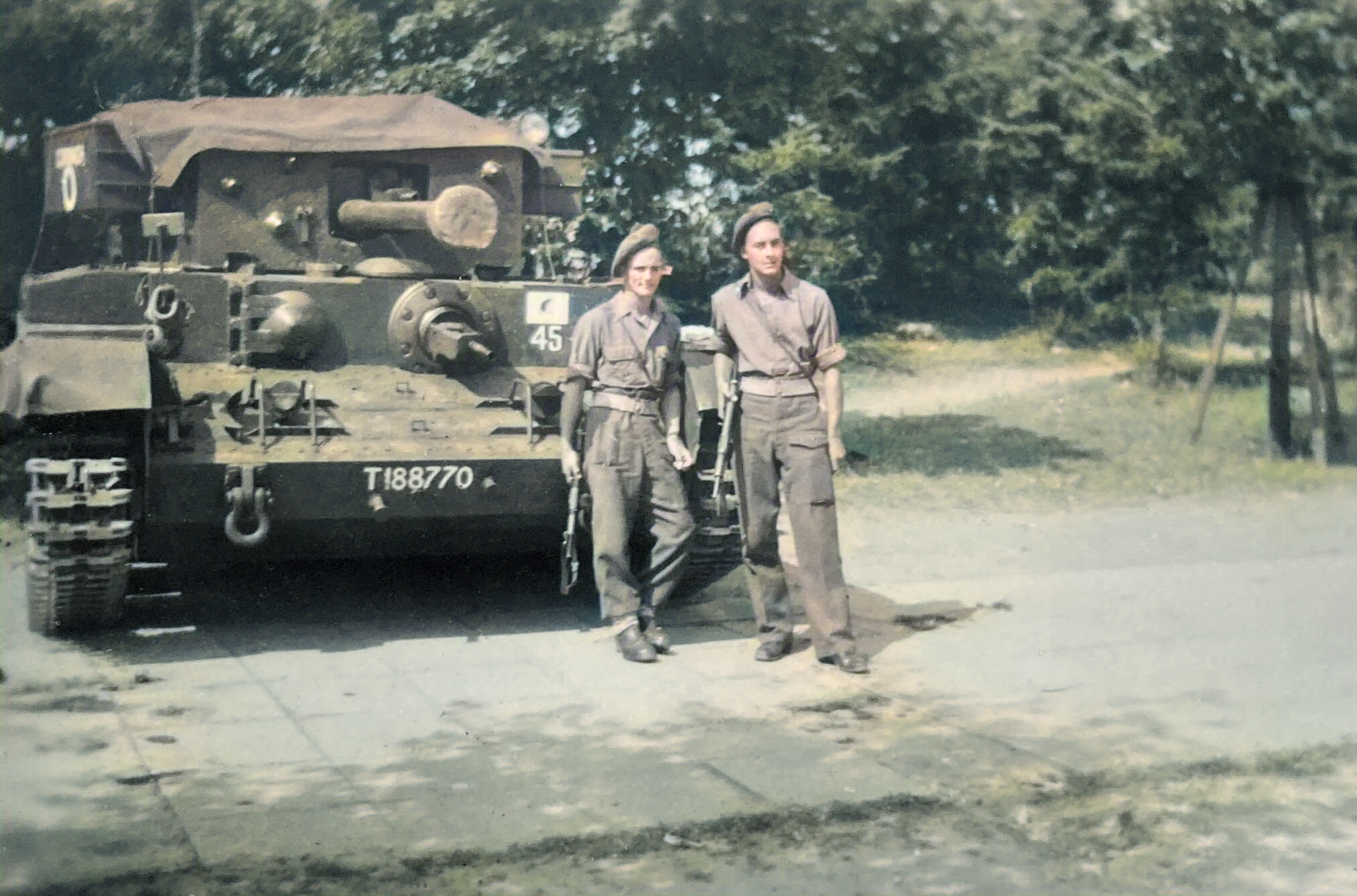
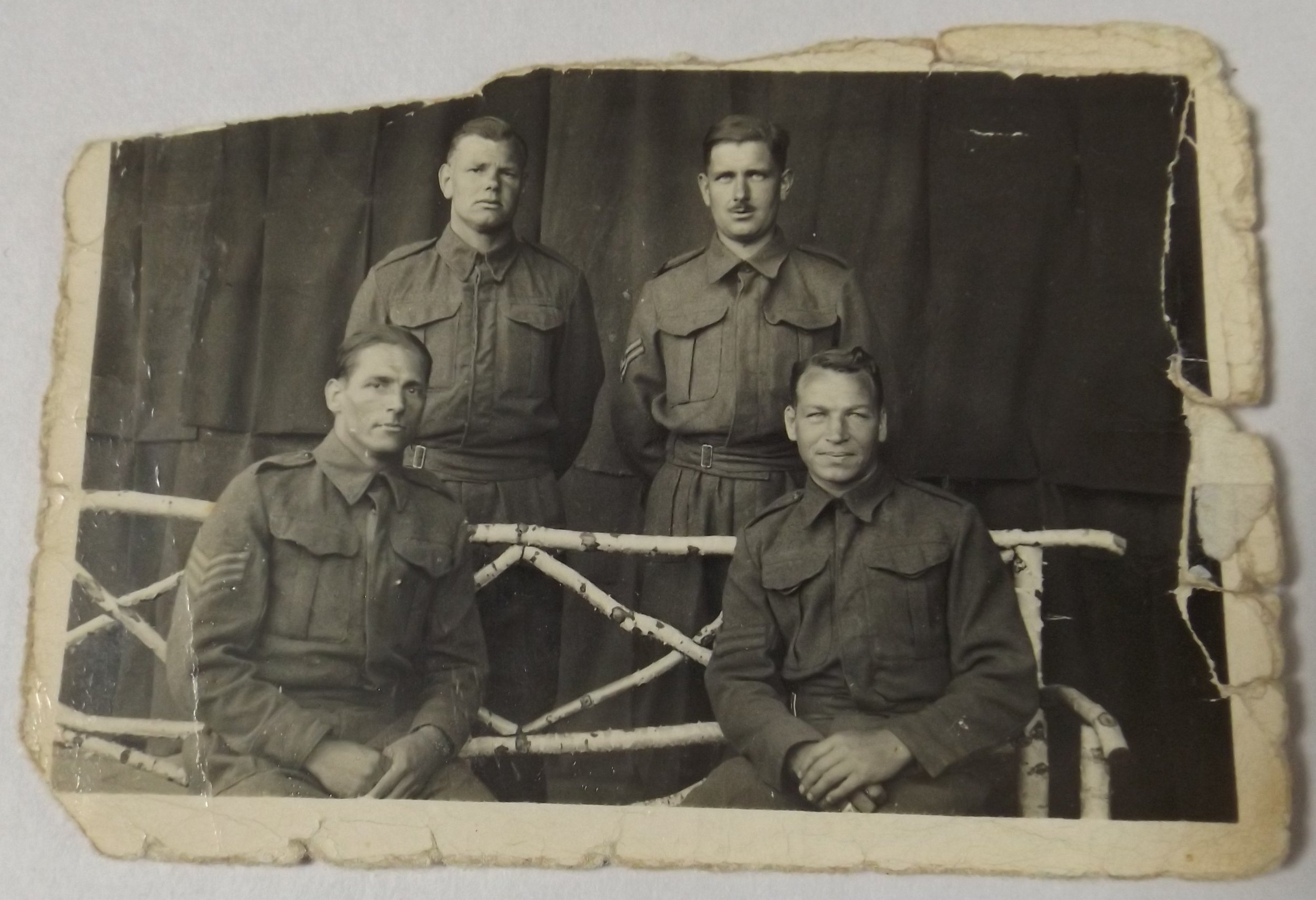
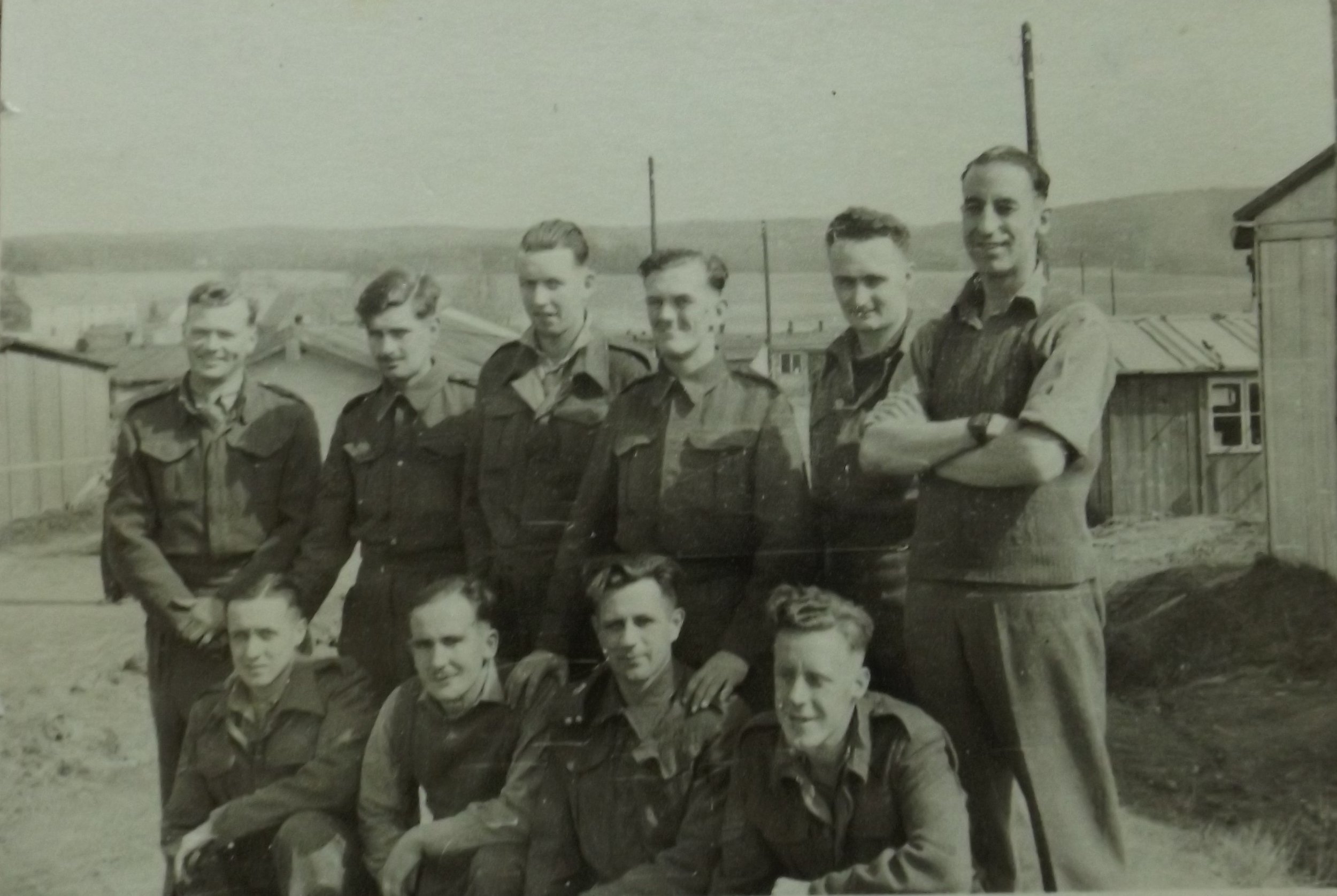
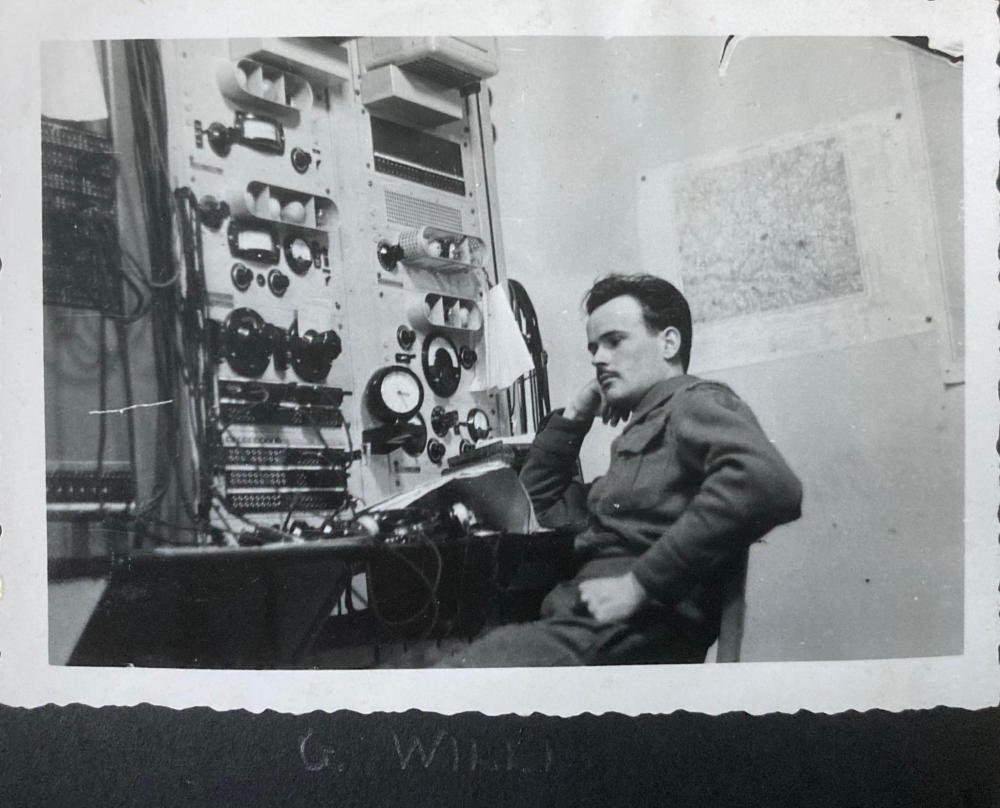
Find Out What Your Relative Did During the Second World War
Have you ever wondered what your grandparent or another relative did during the Second World War or any other twentieth-century conflict? I specialise in researching individual military service histories using primary and secondary sources. I create detailed, illustrated reports that help explain what your relative experienced while serving in the military.
Many families obtain their relatives' military service records but find them hard to understand. British military records are filled with abbreviations, acronyms, and occasional inaccuracies, along with dates, unit names, and postings, but they don’t tell the complete story. That’s where I come in to help.
What do I research?
I work with primary and secondary sources: archival documents, war diaries, unit records, newspapers, memoirs and published military histories. I examine these sources to find out where your relative served, what their unit did, which operations they took part in and how their role fitted into the wider war.
I then write a detailed report, typically 20 to 25 illustrated pages. The report places your relative’s service within its proper military and historical context. It includes maps, photographs and explanations of the events described in the records.
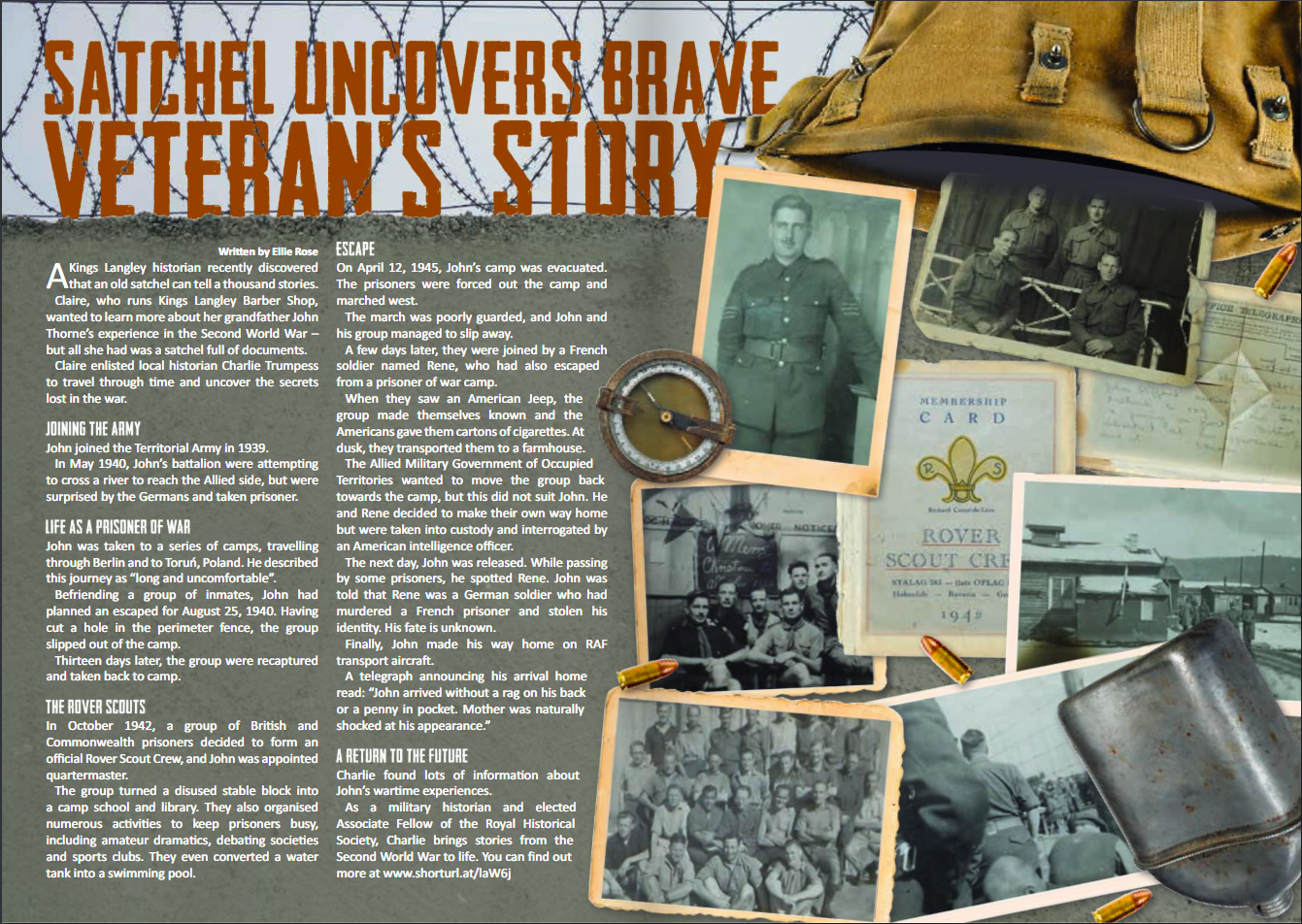
John Thorne’s wartime story retold in KingsNews magazine, June 2025
A real example, from the Battle of France to liberation from Stalag 383
John Thorne’s granddaughter, Claire, contacted me. She runs a local barbershop and wanted to understand what her grandfather actually experienced after he was taken prisoner in 1940. The family had a few fragments, some dates, a handful of names, and the memory that he had escaped at least once.
I began by building a clear timeline from John’s own notes and testimony, then checked each stage against the broader events of May 1940, including the fighting and the collapse that culminated in his capture on 27 May. From there, I traced his route through the prisoner-of-war system, including the long transport east, his internment at Stalag XX-A near Thorn (Toruń), and his later moves between camps and work details, so Claire could see where he went and what those changes meant.
The heart of the work was explaining captivity as a lived experience. I reconstructed his escape attempt in late August 1940, the planning, the breakout, and the recapture in early September, and what it revealed about risk and opportunity. I then covered his later imprisonment at what became Stalag 383 in Upper Bavaria, including how prisoners organised themselves, and John’s role in founding the camp’s Richard Coeur-de-Lion Rover Scout Crew.
Finally, I outlined the German evacuation in April 1945, and the uncertainty and danger that still surrounded the final push towards freedom and home. In June 2025, local media reported on how I had uncovered John’s amazing story for his family.
Why does this type of research cost what it does?
Historical research is highly specialised work and requires careful planning, time, and travel for archive visits. Examination of war diaries is an essential first step, but they are not always accurate, complete or truthful. Handwritten documents and audio recordings of veteran testimonies, political speeches, and radio broadcasts must be transcribed. Newspapers, regimental magazines, academic journals, and military history books also need to be thoroughly reviewed. It's essential to place everything in context and write it up clearly. A single project can involve many days of desk research, visits to archives and museums, and extensive writing and picture research. Overall, this work is time-consuming and labour-intensive.
What will the research reveal?
Some families hope to discover that their relative fought in famous battles or earned medals. However, the reality is often different. War diaries can vary significantly in quality; some provide detailed daily accounts, while others list only the bare minimum. It is also rare for private soldiers to be named compared with officers and senior NCOs.
By the end of the war in Europe, about half of the British Army’s personnel were involved in support services such as transport, logistics, and catering, rather than in frontline roles like infantry, artillery, or tank crews. However, serving in a support capacity does not mean that these individuals did not face hardships or dangers. Their stories are important, and every role contributed to the war effort. It’s crucial to have realistic expectations about what the records will reveal, as they may contain little or no information about a specific serviceman or woman.
I am paid for my time and the research I undertake, not for the amount of information I can find about a particular serviceman or woman.
What conflicts do I cover?
I mainly focus on the history of the British Army during the Second World War. I can research other twentieth-century conflicts on request.
Research Fees
How much does military history research cost?
Research is charged at a fixed day rate. The starting package price is £600.
This includes one day of archive research and travel, document scans and copies, transcription of handwritten material, background research to place events in context, picture research and maps, report writing, and design and layout. The result is a 20 to 25-page (as an average) illustrated report.
What if the project needs more work?
Research projects can vary significantly. Some cases may require extensive time in the archives, especially if an individual has transferred between multiple units and served in different theatres of war. This situation requires a thorough examination of various war diaries, official documents, and personal papers. Please note that work beyond the initial package is charged at £200 per day, along with any out-of-pocket expenses. For complex cases involving multiple archive visits or extensive handwritten materials, costs will be higher. Even small research tasks can be time-consuming and are therefore billable.
On average, military service research projects for a single individual cost between £600 and £1,000. However, costs can exceed this depending on the depth of research you require. Recently, I completed two projects: one on a soldier who served with a tank transporter unit and another on a Royal Navy sailor. Both final reports were 50 pages long.
How does the process work?
Send me a written brief about the person you want researched. Include as much information as you can: name, rank, service number, branch of service and dates of service. If you have a copy of their military service records, please send them as well.
I will review the brief and reply with a written quote. The quote will set out the expected scope of work and provide pricing options.
What are the payment terms?
Payment is in two stages: 50 per cent up front to begin research, 50 per cent on completion. Payments can be made by bank transfer or PayPal.
How long does a project take?
Most projects typically take three to four weeks from start to finish. This timeframe depends on the availability of primary and secondary sources, access to archival and museum collections, and the complexity of each case.
Frequently Asked Questions
-
The cost of researching a family member’s military service ranges from £600 to £1,000. Sometimes more. A basic research package includes one day in the archives, document scans, transcription, background research, report writing, design and layout, and maps and photographs.
-
Typically, you go where your investigations lead you. Usually, The National Archives, the Imperial War Museum, The Templer Study Centre, the National Army Museum, regimental museums and specialist collections such as the Liddell Hart Centre for Military Archives at King’s College London.
-
Yes. I research the Commonwealth, Empire, and Allied forces that served alongside British units.
-
I have completed prisoner-of-war research projects in the past.
-
My main focus is on the British and Commonwealth forces during the Second World War. However, I can research other twentieth-century conflicts on request.
-
Yes. British Army service records are full of abbreviations, acronyms and unfamiliar terms. I can read and interpret these documents and explain them in plain language.
-
Some records are more detailed than others. War diaries vary in quality; some contain basic information, while others offer detailed descriptions of events. However, it's uncommon to find the names of private soldiers. I will always be clear about what the sources reveal and what they don't. But remember, I get paid for my time and the research I undertake, not for how much or how little information is in the records.