Family Military History Research
Discover what your relative did during the Second World War
Many families obtain their relatives' military service records, but don't know what they mean. British military service records are frequently filled with confusing abbreviations and acronyms. The documents contain basic information such as dates, unit names and postings, but they don't tell the whole story.
That's where I can help.
What I do
I research an individual’s military service using primary and secondary sources, such as archival documents, war diaries, unit records, newspapers, memoirs, and military histories. I then write detailed reports that explain what happened during your relative's service.
You'll learn where they served, what their unit did, which operations they took part in, and how their role fitted into the wider war effort.
A recent example: from Dunkirk to the Rhine crossing
A family contacted me about their grandfather's service in the Royal Army Service Corps (RASC). They had his service records but wanted to know more about what he actually did during the war.
I spent two days at The National Archives examining 13 war diaries and related documents. I scanned over 350 pages of text. About half the pages were handwritten, so I had to transcribe them manually.
I then spent several days writing a 60-page report on their grandfather's military service. This included background research to place events in their proper military and historical context. I also spent time on document layout and design, as well as on finding suitable photographs and maps to illustrate the story.
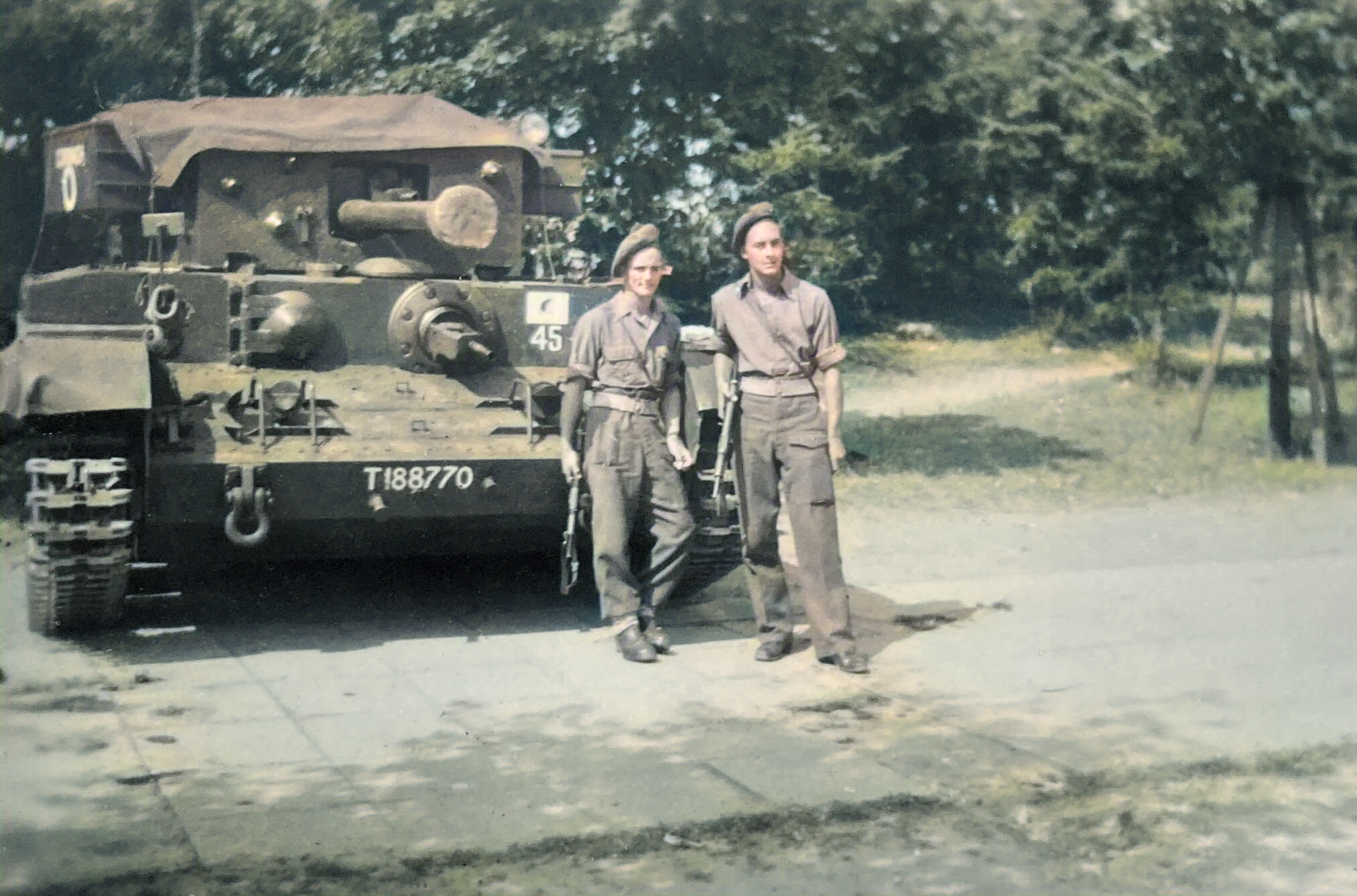
The entire process lasted three to four weeks. The family’s grandfather had an eventual war, serving with a field ambulance unit during the retreat and evacuation of the British Expeditionary Force (BEF) from the beaches of Dunkirk. Rapidly promoted through the ranks, he later served with several tank transporter companies supporting major military operations in the Middle East, Italy, Belgium, the Netherlands, and Germany.
Research is time-intensive
This type of research takes time and specialist knowledge. Archive visits require travel. War diaries need careful examination. Handwritten documents must be transcribed. Context must be researched and explained.
On average, military service research projects for a single individual cost between £600 and £1000+. Complex cases involving multiple archive visits or extensive handwritten material are more expensive.
Even small research tasks can prove time-consuming and are billable.
Not every story is dramatic
Some families hope to discover their relative fought in famous battles or earned medals. The reality is often different.
War diaries vary in quality. Some contain detailed daily accounts. Other records contain only the bare minimum of information. It is rare for private soldiers to be mentioned by name in war diaries. Not all service was frontline combat. Many people spent the war in training, logistics, transport or support roles.
These stories still matter. Every role contributed to the war effort. But it's important to have realistic expectations about what the records will reveal. They might reveal little or nothing about a specific individual. But remember that I am compensated for my time and research, not for how much or little information I find about an individual.
My focus
I specialise in the history of the British military during the Second World War. I also research First World War service when requested.
How it works
Send me a written brief about the person you want researched. Include as much information as possible: name, rank, service number, branch of service, and dates of service.
If you have a copy of their military service records, send those too.
I will respond with a written quote and pricing options based on the scope of work required.
Payment terms are 50 per cent upfront and 50 per cent on completion.
Frequently Asked Questions
-
The cost of researching a family member's military service ranges from £600 to £1000+, and includes one day in the archives, document scans, document transcription, secondary research sources, report writing, design and layout, and maps and photographs. Visit the research fees page for more information.
-
The National Archives, Imperial War Museum, unit museums, regimental archives, and specialist collections such as the Liddell Hart Centre for Military Archives at King's College London.
-
Yes, I research the Commonwealth, Empire, and Allied forces that served with British units.
-
I have successfully completed POW research projects.
-
My main focus is on British and Commonwealth forces during the Second World War. I do occasionally conduct research on British service personnel during the First World War.